Preparation
Headshot Poses That Work
Posing is a skill, not a talent. Four small adjustments fix most headshots, and they work the same for men, women, and every industry.
13 min read
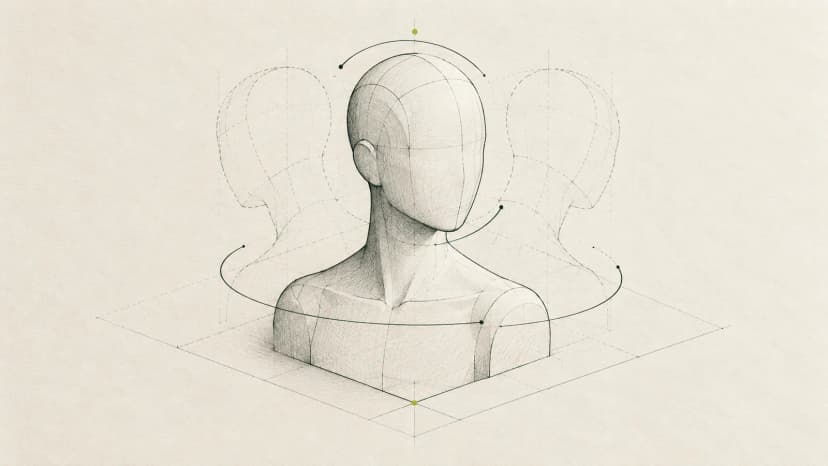
Most headshots that look "off" fail on posture, not lighting. The face is fine, the background is fine, but the shoulders are square, the chin is up, and the whole frame reads stiff. The good news is that headshot posing comes down to a handful of physical habits you can learn in ten minutes and repeat every time a camera comes out.
This guide covers how to pose for a headshot in four fundamentals, then walks through female headshot poses and headshot poses for men separately, because the searches are split and the details differ. If you plan to generate your headshots with Smart Headshots AI, everything here still applies: the AI learns from the 8 to 15 photos you upload, so posing well in those source photos is the cheapest quality upgrade you can make.
Four Things Every Good Pose Does
Whatever your industry or gender, a professional headshot pose does these four things. Run through them in order every time you set up.
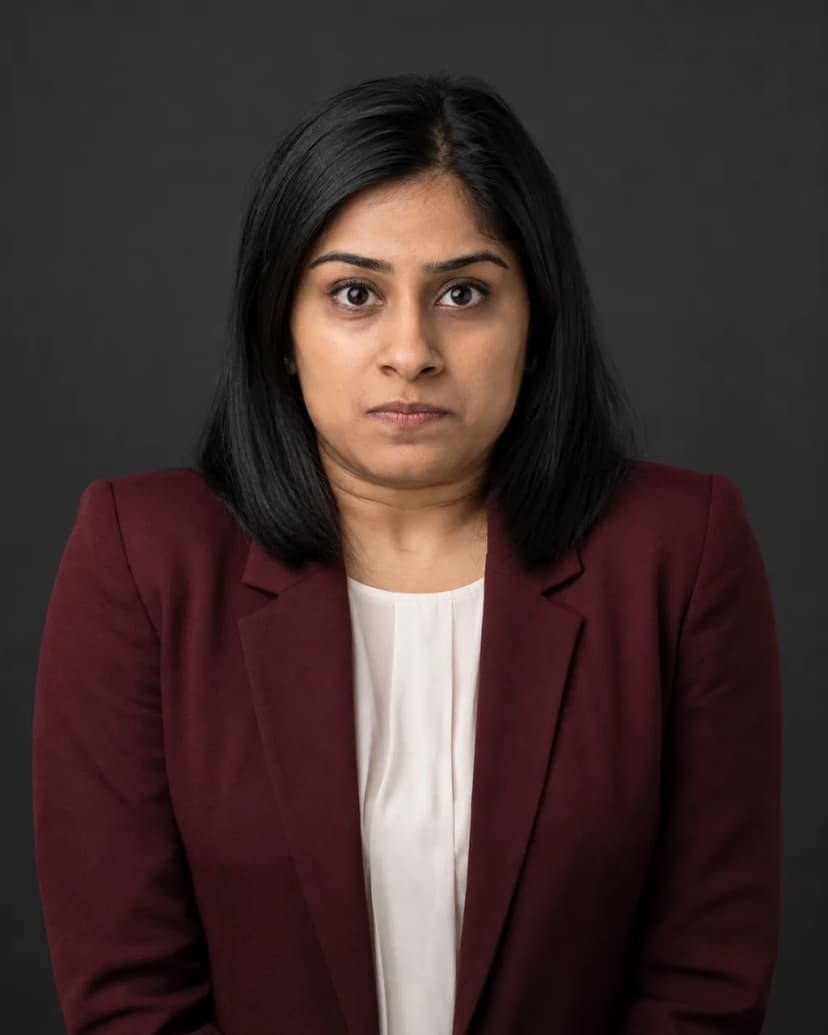
Turn the shoulders 20 to 45 degrees off the lens
Square shoulders make the torso as wide as it can be and read as a passport photo. Rotate the body a quarter turn, then bring the face back to the camera. The narrower shoulder line adds depth and makes you look like you were caught mid-conversation rather than lined up against a wall.
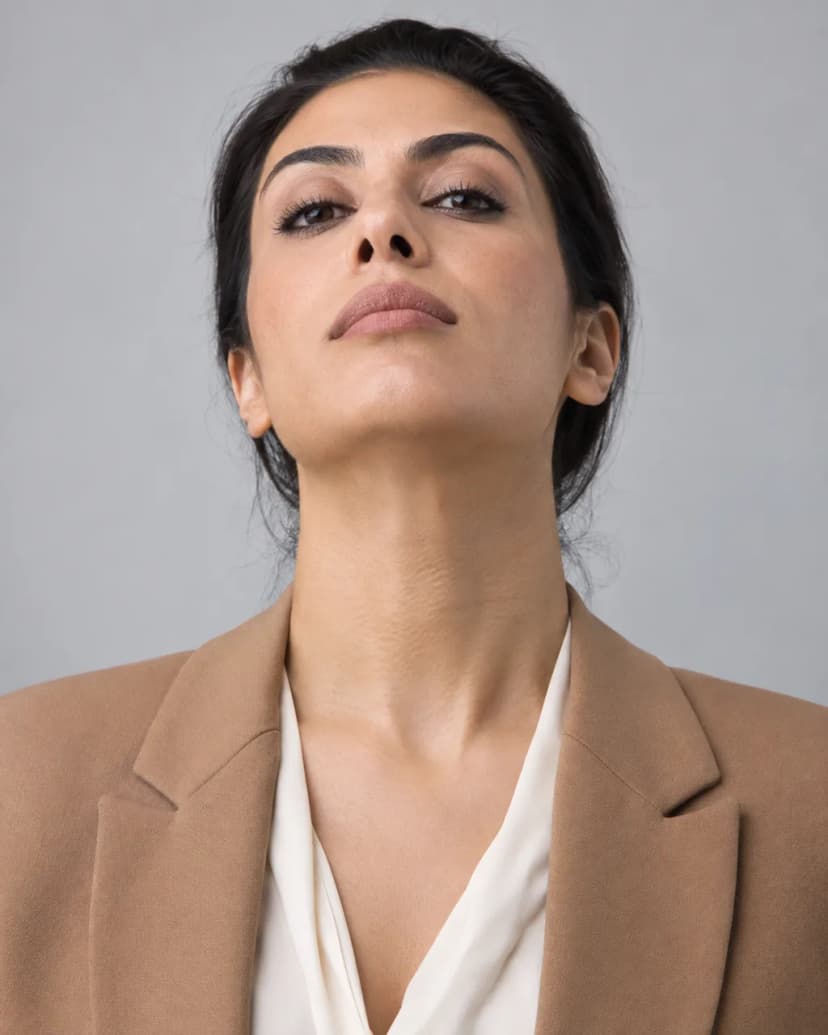
Push the chin forward, then slightly down
Extend the chin toward the camera as if reaching for it, then tip it down a few degrees. It feels awkward and looks excellent: the jawline sharpens, the neck lengthens, and any softness under the chin disappears. The eyes also open up because you are no longer looking down your nose at the lens.
Put your weight on the back foot
Shift your weight onto the foot farther from the camera. Your hips settle, your shoulders drop, and the rigid, braced look of a person standing at attention goes away. This one change relaxes the whole upper body, which is what actually shows in a shoulders-up crop.
Look straight into the lens
Eye contact is what makes a headshot feel like a person and not a picture. Look at the lens itself, not the screen or the photographer, and keep the eyes level. Relax the muscles around them just before the shutter fires so the gaze reads calm and direct rather than startled.
The four fundamentals in practice
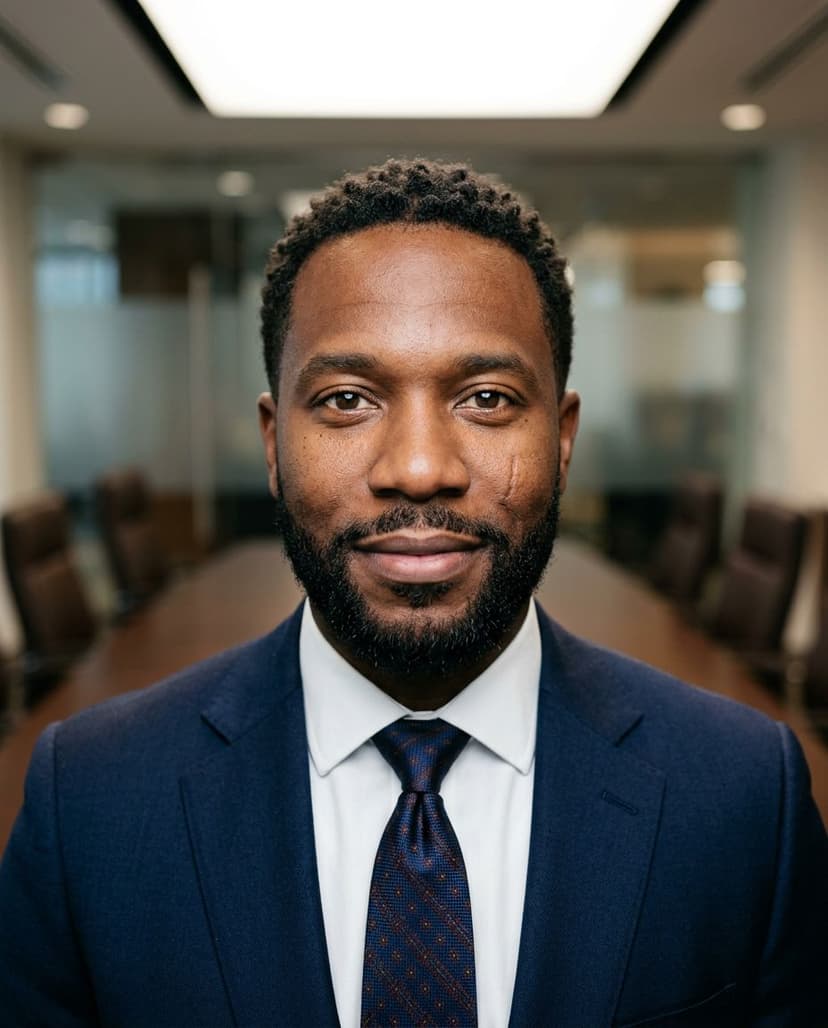
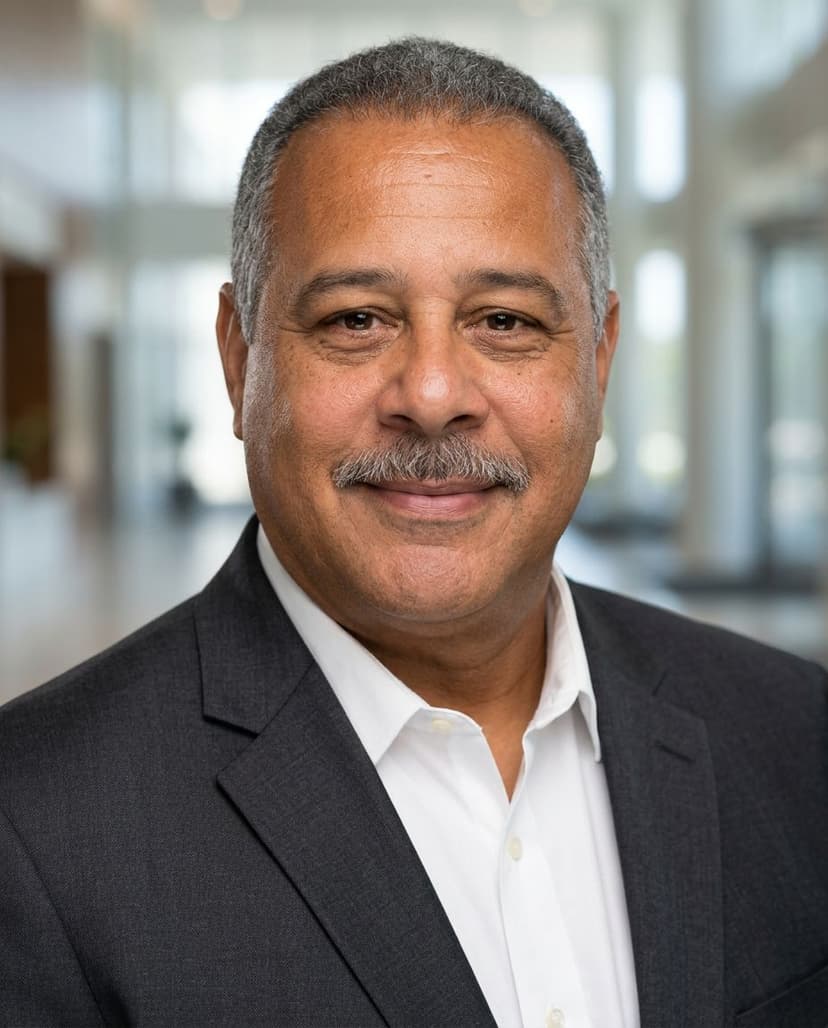
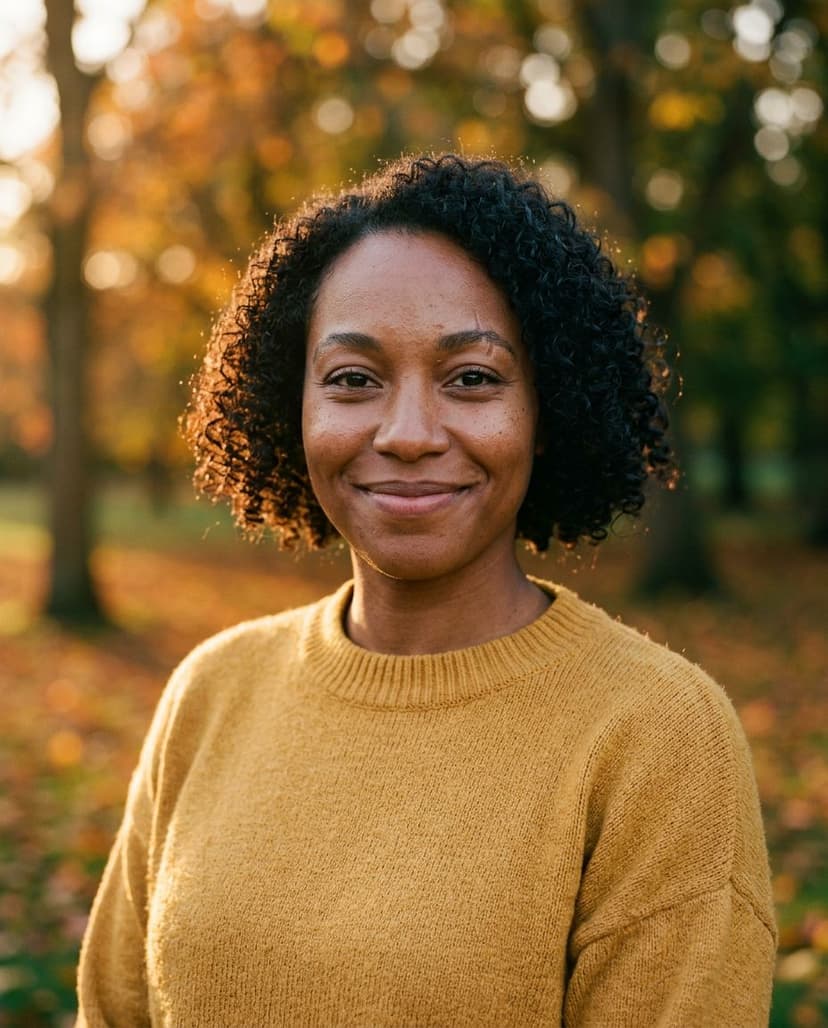
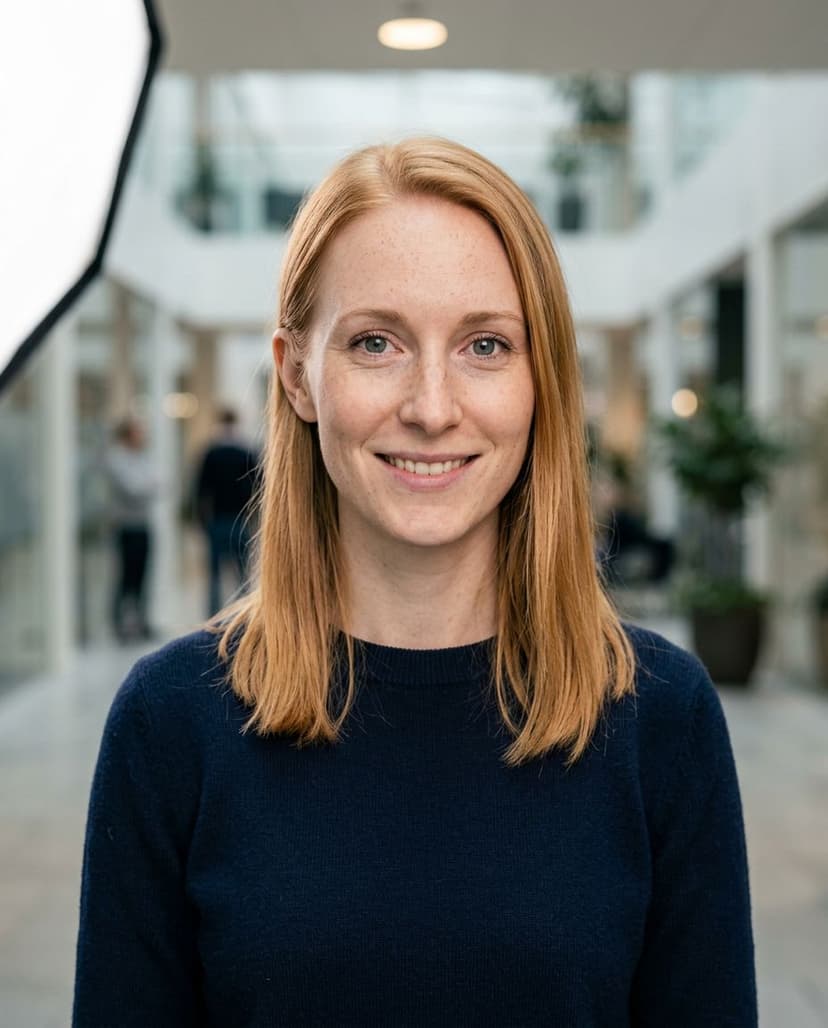
Each of these headshots is built on the same four moves. Notice how little the body actually has to do.
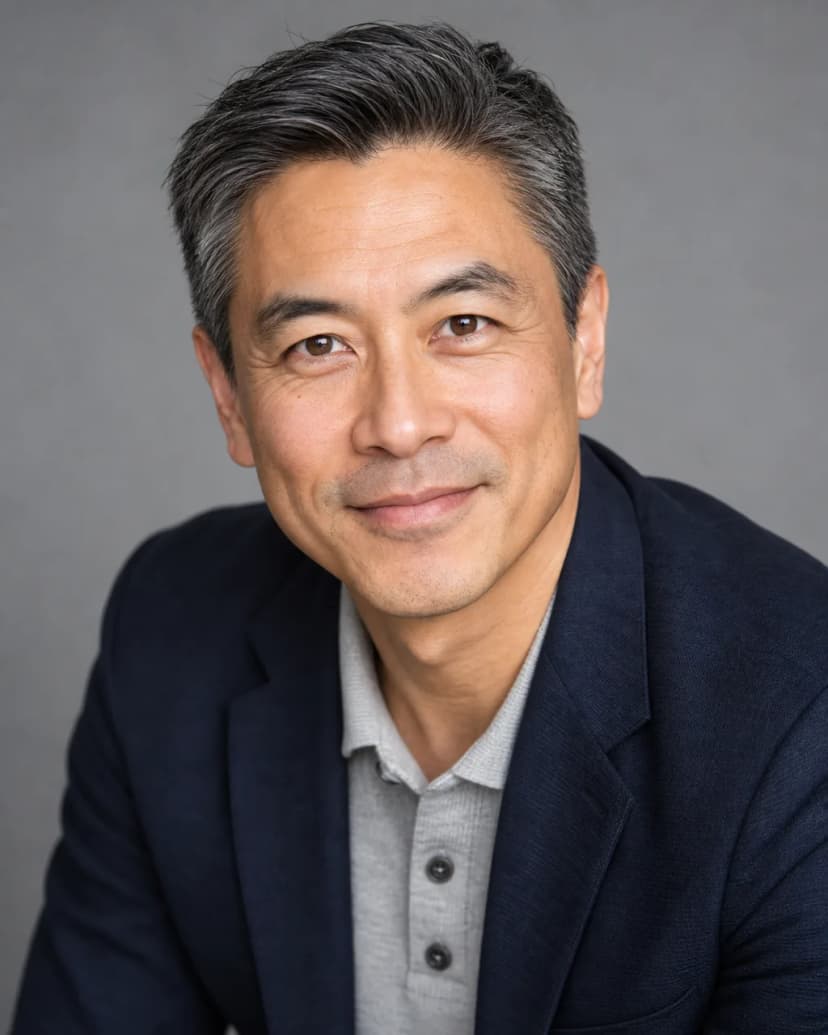

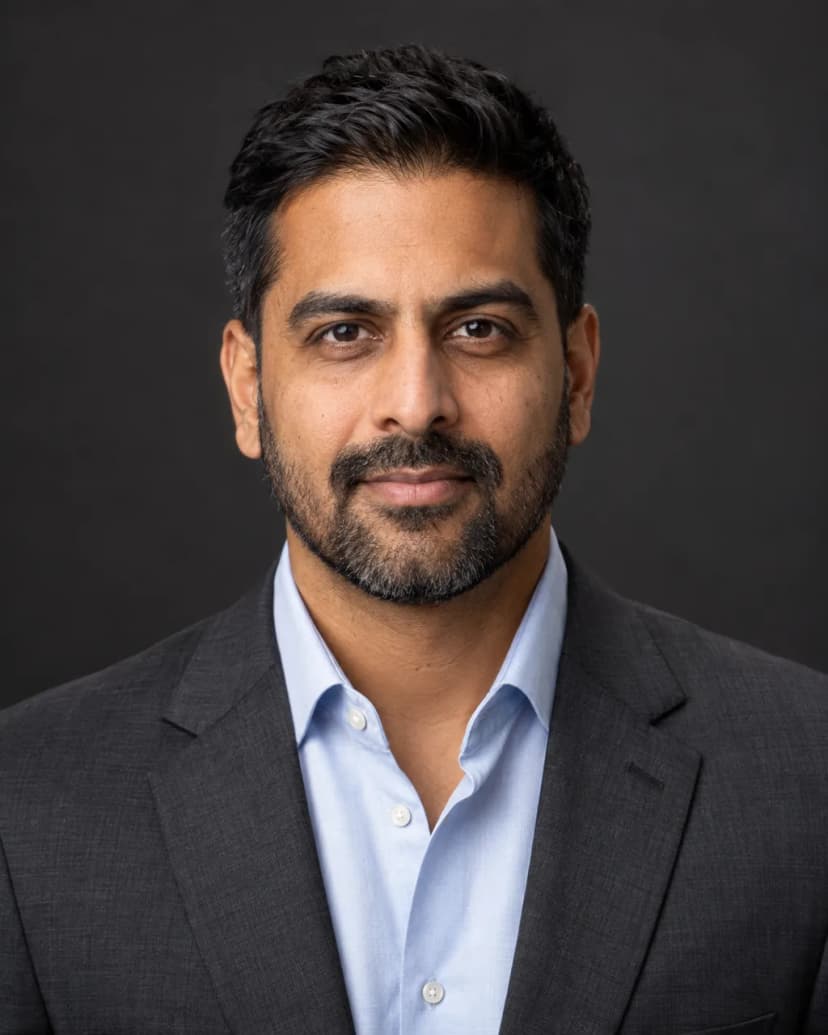
Headshot Poses for Women
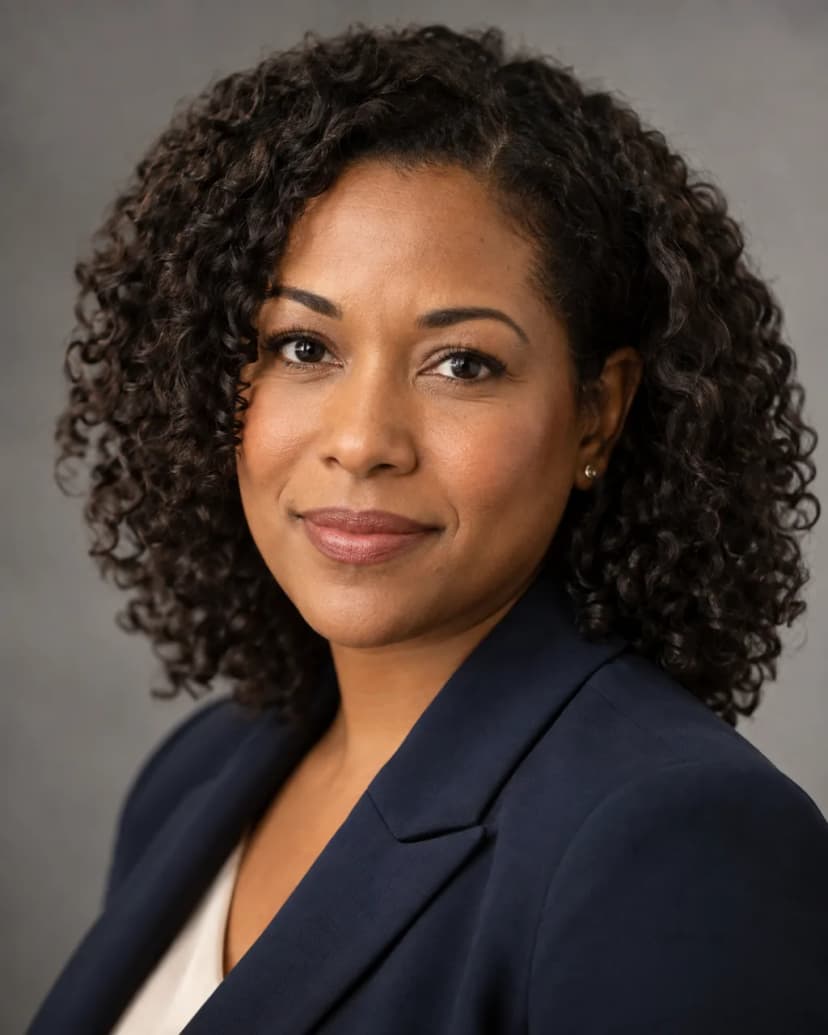
The searches split between "female headshot poses" and "headshot poses female," but the answer is the same set of four fundamentals with a few extra levers: hip position, hand placement, and how far the chin drops. Here are the female headshot poses that work in almost any professional context, from a corporate posing example to a founder or creative profile.
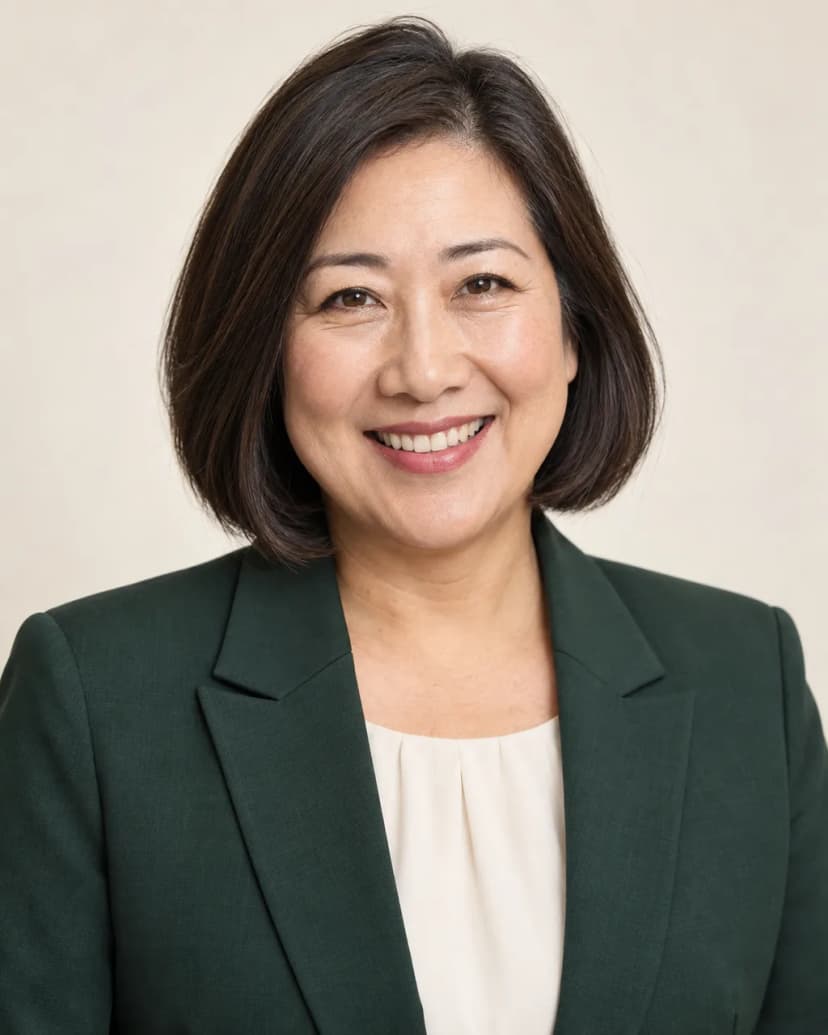
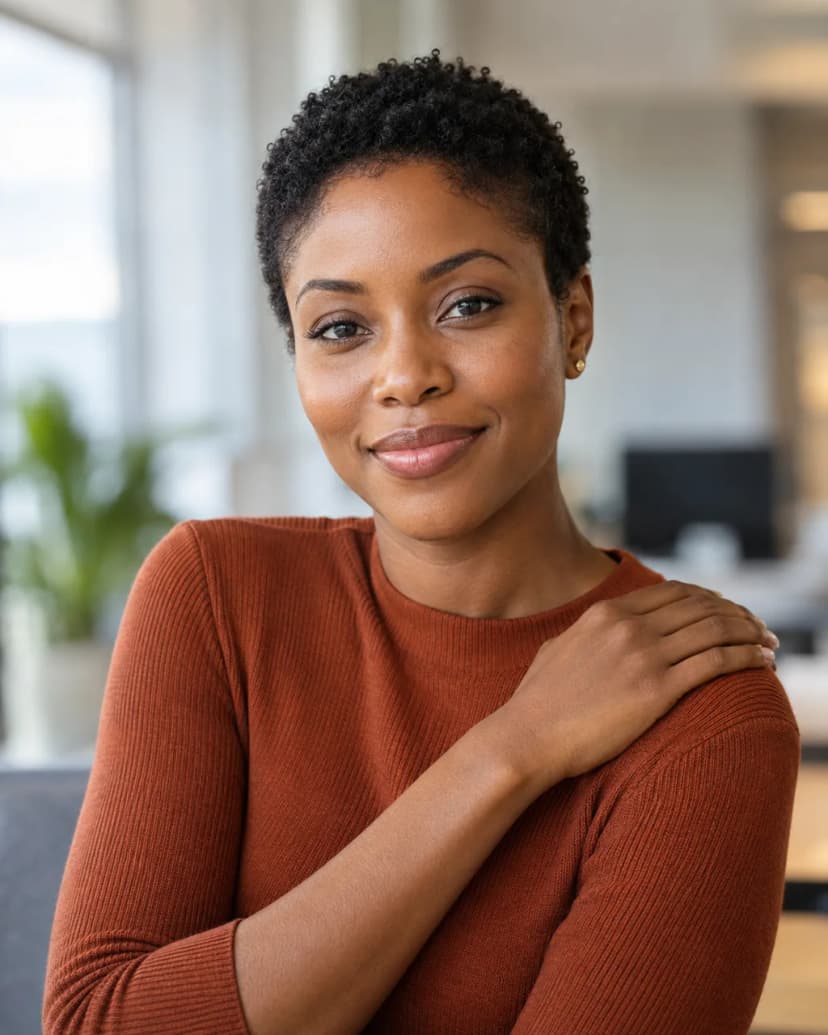
Four poses for women that photograph well
Technique notes for women
- Hip pop, kept small. Shift the weight to the back foot and let the front hip drop slightly. In a shoulders-up crop nobody sees the hips, but the shift changes the shoulder line, which everybody sees. Big, stylized hip pops belong in fashion, not on a company page.
- Hand placement options. Arms at the sides is the safest choice and the one to use for law, finance, and medicine. A hand resting on the opposite shoulder or the collarbone adds warmth for creative and consulting work. A hand in a jacket pocket reads relaxed. Whatever you pick, keep the hands soft; a clenched hand looks tense even when it is mostly out of frame.
- Chin drop technique. Reach the chin forward first, then drop it. Dropping without reaching creates the opposite problem, a compressed neck. Two or three degrees is enough; if you can feel your throat tighten, you have gone too far.
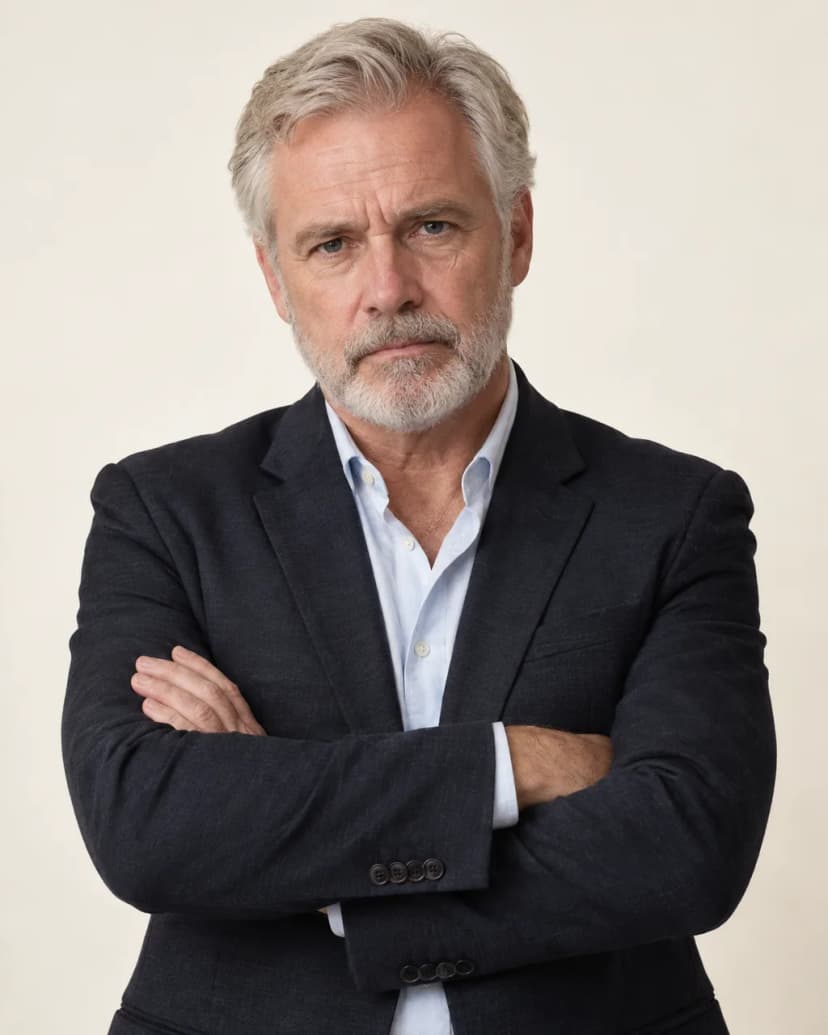
- Avoid crossed arms. They photograph as guarded, they widen the torso, and they hide the neckline that most blazers and blouses are cut to show. Save that pose for a full-body founder portrait, not a headshot.
For what to pair these poses with, see what to wear for a headshot.
Headshot Poses for Men
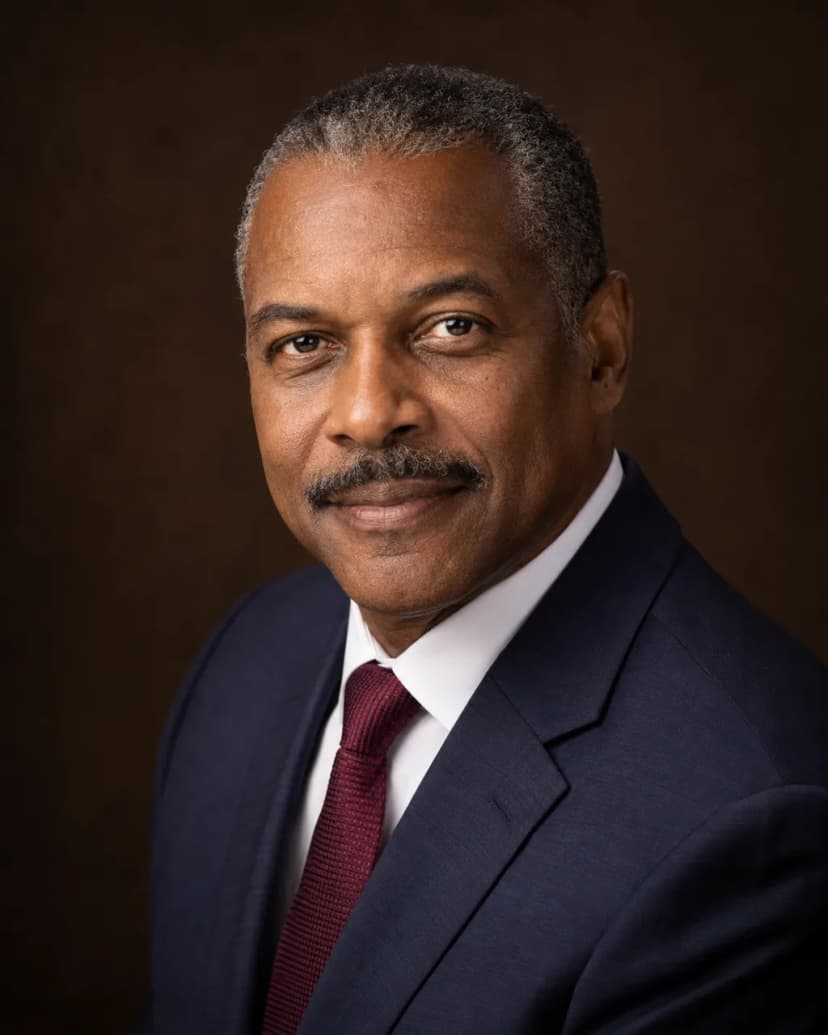
Male headshot poses lean on structure: shoulder width, stance, and what the jacket is doing. The same four fundamentals apply, but men usually need to be pushed further on the shoulder turn because the instinct is to face the camera squarely and hold still.
Four poses for men that photograph well

Technique notes for men
- Shoulder width. Turn the body 30 to 45 degrees and let the near shoulder drop a touch lower than the far one. You keep the width that reads as confident without the flat, square look of a mugshot.
- Hand placement. Arms at the sides with the hands relaxed is correct for almost every headshot pose for men. One hand in a trouser pocket, thumb out, loosens a stiff stance. Hands clasped in front pull the shoulders forward and round the back; skip them.
- Jacket buttons. Standing: fasten the top button of a two-button jacket and leave the bottom open. A single-button jacket is buttoned. Leave every button open only when the whole look is casual (open collar, no tie), and in that case pull the jacket slightly open so the shirt shows. Never button all the way down; the jacket pulls across the chest.
- Stance width. Feet about shoulder width apart, back foot carrying the weight. A narrow stance makes the shoulders rise; a wide stance makes you sway. If you are seated, sit on the front third of the chair and lean forward from the hips, not the shoulders.
Compare these against the headshot examples guide to see how the same poses look across industries.
Expression: Smiling vs Neutral
Should you smile in a professional headshot? It depends on what the photo is for, and the honest answer is that both work when the expression matches the role. The pose stays the same; only the face changes.
Which expression fits which industry
| Field | Expression that usually works | Why |
|---|---|---|
| Healthcare, nursing, therapy | Warm smile, teeth or closed mouth | Patients choose warmth; a smile signals safety before a word is spoken. |
| Law, finance, executive | Neutral or a faint closed-mouth smile | Authority and steadiness read better than friendliness on a firm page. |
| Creative, marketing, startups | Genuine open smile | Approachability is the brand; a serious face can look out of place. |
| Corporate, consulting, engineering | Slight smile, eyes engaged | Professional without being cold; the safe middle for most LinkedIn profiles. |
| Real estate, sales | Confident open smile | You are the product; buyers want someone they would enjoy an afternoon with. |
A useful trick for a natural smile: exhale, then smile on the exhale a beat before the shutter fires. Smiles held for more than a few seconds go stiff around the eyes. For a neutral expression, think of something you are quietly pleased about; the mouth stays closed but the eyes soften, which is the difference between "serious" and "annoyed."
Because Smart Headshots AI renders many looks from one trained model, you do not have to choose a single expression up front. Upload source photos with both a smile and a neutral face and the generated set will cover both. The doctor and nurse and lawyer packs lean toward the expressions their industries expect; the LinkedIn pack sits in the middle.
Common Posing Mistakes
These four mistakes account for most weak headshots. Each one is a single physical habit, and each one has a two-second fix.
What not to do
Posing checklist
Do
- Turn the shoulders 20 to 45 degrees and bring the face back to the lens
- Reach the chin forward, then drop it slightly
- Stand with the weight on the back foot and the front knee soft
- Look directly into the lens and relax the eyes on an exhale
- Keep hands soft and out of the way: at the sides, one in a pocket, or resting on a shoulder
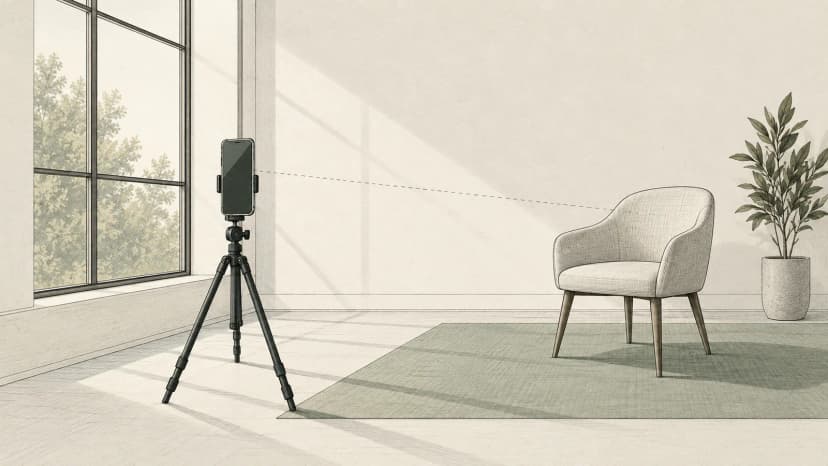
- Shoot from a step or two back with a normal or telephoto lens, then crop
Do not
- Face the camera square on with locked knees
- Lift the chin to look confident; it does the opposite
- Cross the arms or clasp the hands in front
- Hold a smile for ten seconds while the photographer fiddles
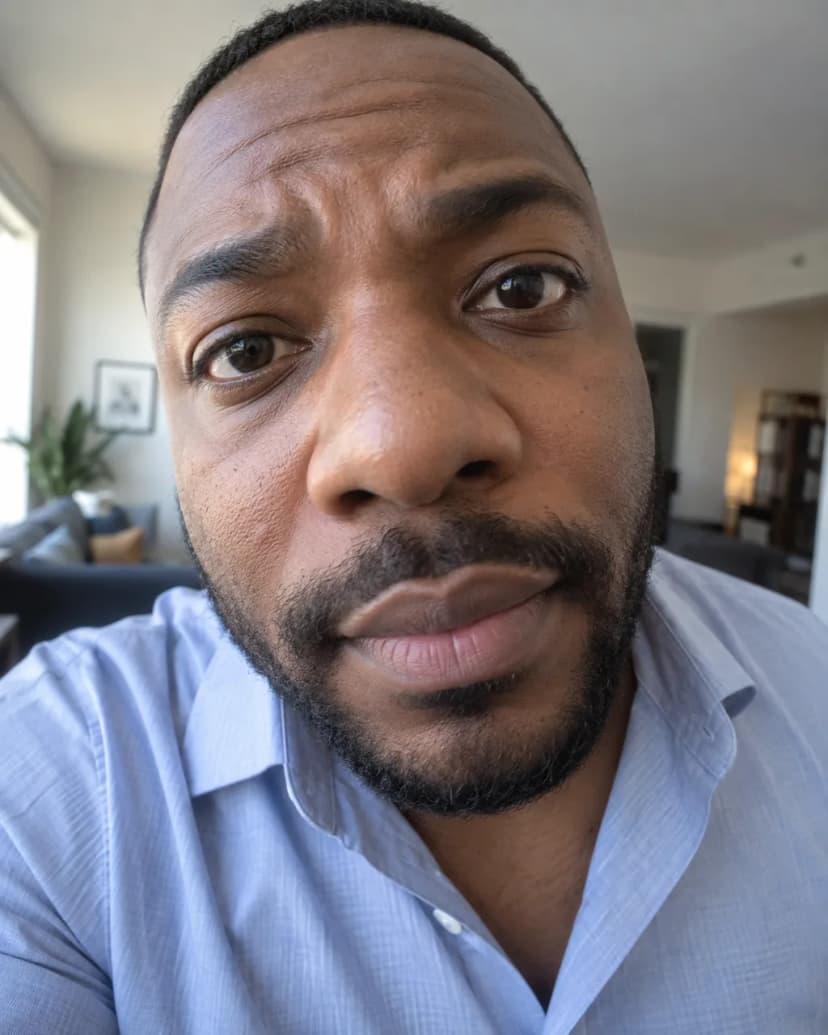
- Take arm's-length selfies with the front camera
- Button a jacket all the way down or wear one that pulls across the chest
Distance changes the face more than any pose


You Do Not Have to Pose at All
Here is the part professional posing guides never say: with Smart Headshots AI, the pose in your final headshots is not the pose in your source photos. The AI trains on your face from the 8 to 15 photos you upload, then the pack you choose renders the stance, attire, and backdrop for each look. A three-quarter turn in a charcoal suit and a straight-on smile in an open collar can both come from the same set of casual source photos.
So why read a posing guide? Because good source photos make a better model. Photos taken from a step back, with the chin forward, the eyes on the lens, and a mix of smiles and neutral faces, give the AI clean information about your features from several angles. Aim for 5 to 8 different poses across your upload, vary the expression, and keep the framing consistent. Posing is not the primary determinant of quality; sharp focus, even light, and a plain background matter at least as much. But it is the one you control completely, and it costs nothing.
If you would rather not think about any of it, that is fine too. Stand naturally, follow the four fundamentals as far as they feel comfortable, and let the pack handle the rest. Professional and Executive tiers include one free re-run if the first set misses, and every tier is covered by a full refund inside 7 days. Browse the headshot backgrounds guide to pick the backdrop family before you start.
Key takeaways
- Every good headshot pose does four things: shoulders turned, chin forward and down, weight on the back foot, eyes to the lens.
- Women's and men's poses share the fundamentals and differ in the details: hip shift and hand placement for women, shoulder width and jacket buttons for men.
- Match the expression to the field: warmth for healthcare and sales, neutral authority for law and finance, a genuine smile for creative work.
- Arm's-length selfies distort the face and teach the AI the wrong proportions. Shoot from a step or two back, always.
- For Smart Headshots AI, pose well in your 8 to 15 source photos and let the pack render the final stance and attire.
FAQ
Questions about this guide
Everything about photos, privacy and quality before you spend a dollar. Something missing? Talk to a human.